
The History of Brie: A French Legacy
Brie cheese, named after the French region from which it hails, boasts a history that dates back over a thousand years. Originally crafted by monks in the Middle Ages, Brie has evolved from a regional delicacy to a symbol of French culinary excellence. Its production methods have been refined over centuries, resulting in the velvety texture and distinctive flavor we know and love today.
The Art of Brie-Making: Production Process
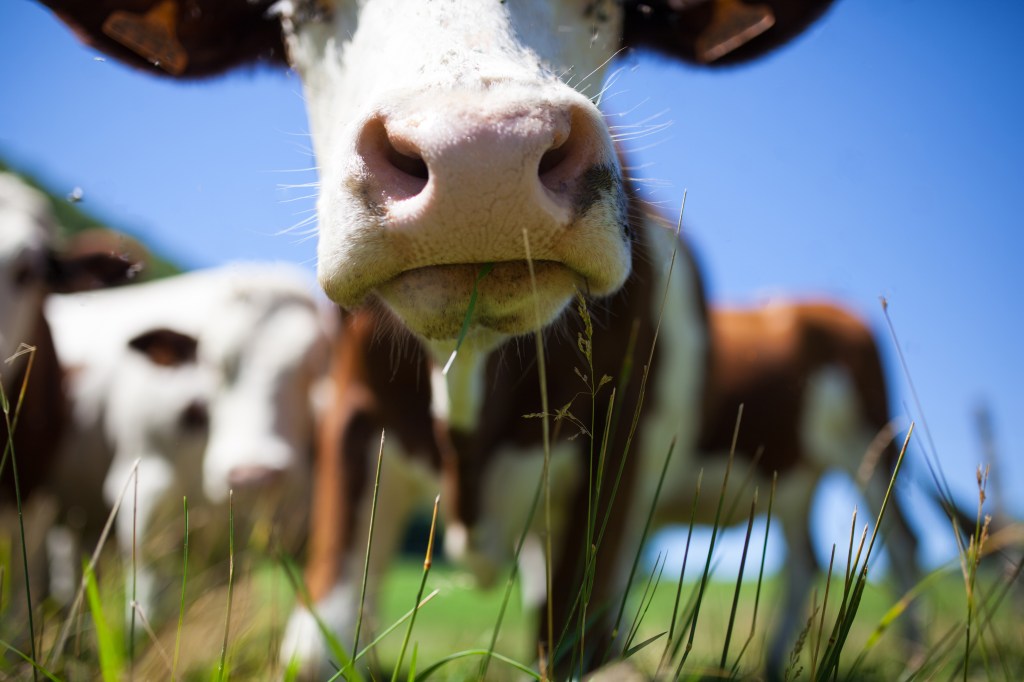
Crafting Brie is a meticulous process that requires skill and patience. Traditionally made from raw cow’s milk, the cheese undergoes a delicate balancing act of ripening and aging. The curds are cut and molded, and the young wheels are left to age in special cellars, developing the characteristic edible, bloomy rind. The result is a cheese with a creamy interior and a soft, edible exterior.
Flavor Profile: A Symphony of Creaminess
What sets Brie apart is its luxurious, creamy texture and delicate flavor profile. The cheese is known for its earthy, mushroom-like undertones and a subtle tanginess that lingers on the palate. As it ripens, Brie becomes increasingly runny near the rind, offering a textural contrast that enhances the overall tasting experience.
Pairing Perfection: Brie on the Cheese Board
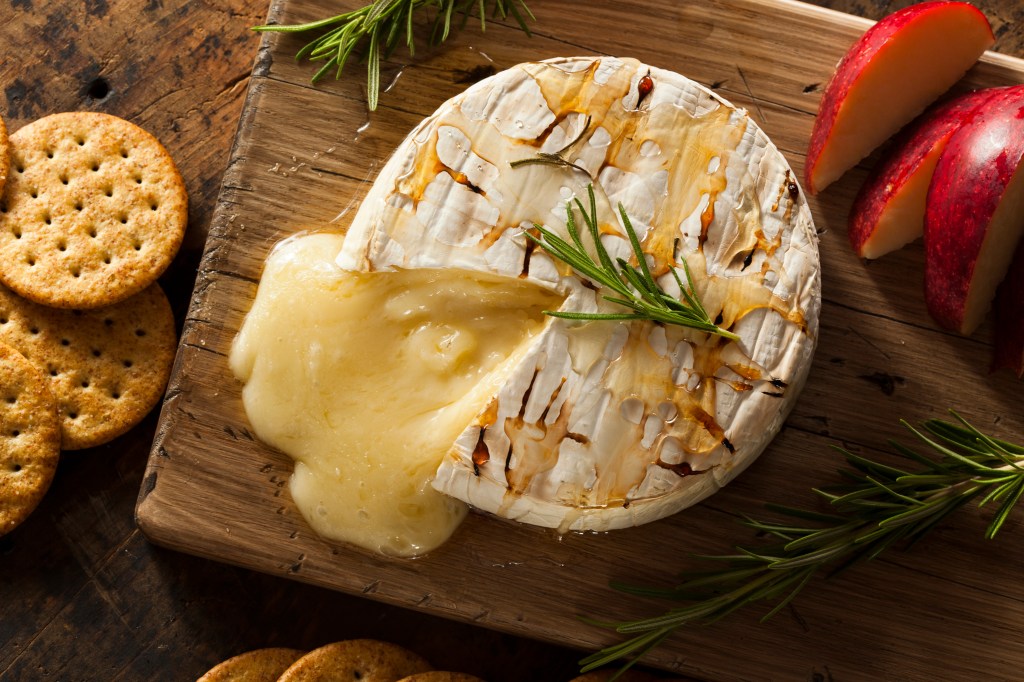
Brie’s versatility extends beyond its ability to stand alone; it’s a star player on any cheese board. Pair it with fresh baguette slices, grapes, and honey for a classic presentation. The mild flavor of Brie also makes it an ideal companion for various accompaniments such as nuts, figs, and charcuterie.
Beyond the Cheese Board: Brie in Culinary Creations
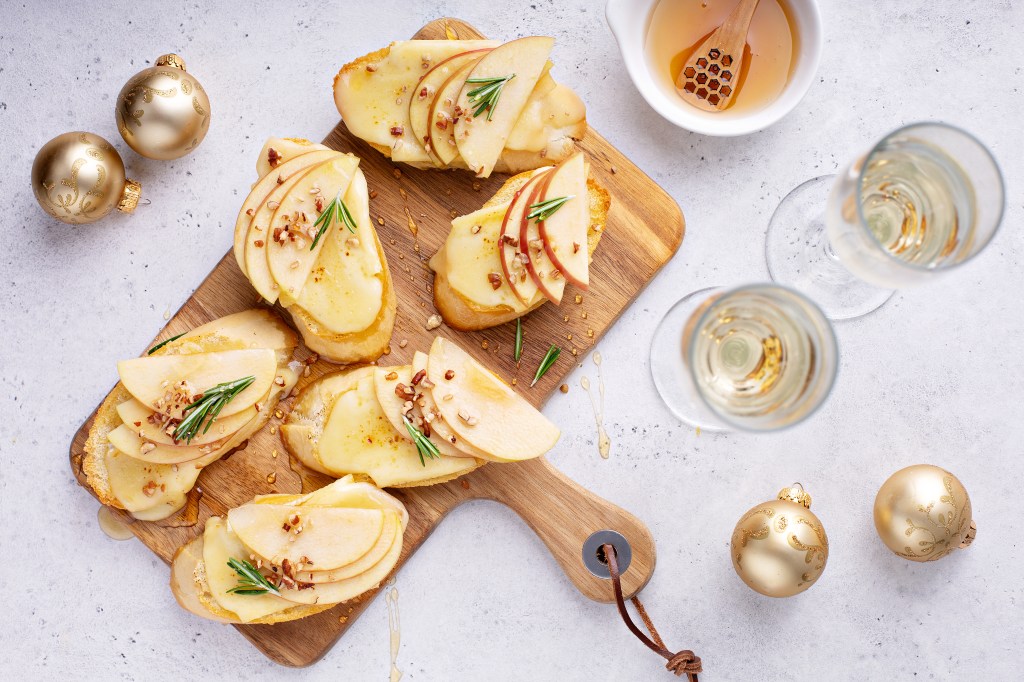
While Brie shines on a cheese board, its creamy nature makes it a culinary chameleon in the kitchen. Melted Brie adds a touch of decadence to savory dishes like tarts and sandwiches, while its mild sweetness enhances the flavor of desserts. Baked Brie, topped with nuts and honey, is a show-stopping appetizer that never fails to impress.
Brie and Wine: A Perfect Pairing
To elevate your Brie experience, consider pairing it with a glass of wine. The cheese’s delicate flavor pairs wonderfully with a crisp Chardonnay or a sparkling wine. The combination creates a sensory symphony that is perfect for a cozy evening or a celebratory gathering.
Exploring Brie Varieties: From Classic to Artisanal

While classic Brie holds a special place in the hearts of many, artisanal producers have expanded the landscape with variations like truffle-infused Brie, double or triple cream Brie, and even ash-covered Brie. Exploring these varieties opens up new dimensions of flavor and texture for enthusiasts to enjoy.

Brie cheese, with its rich history, luxurious texture, and versatile applications, remains a beloved culinary treasure that transcends borders and palates. Whether enjoyed on its own, as part of a cheese board, or creatively incorporated into both savory and sweet dishes, Brie is a testament to the artistry of cheese-making and a delight for the senses. So, the next time you savor a wedge of Brie, take a moment to appreciate the centuries of craftsmanship and the simple joy of indulging in this culinary masterpiece.

 Home
Home 
Leave a comment